“Like the Kintaikyo Bridge on our sake labels, we want to make sake that brings people together”
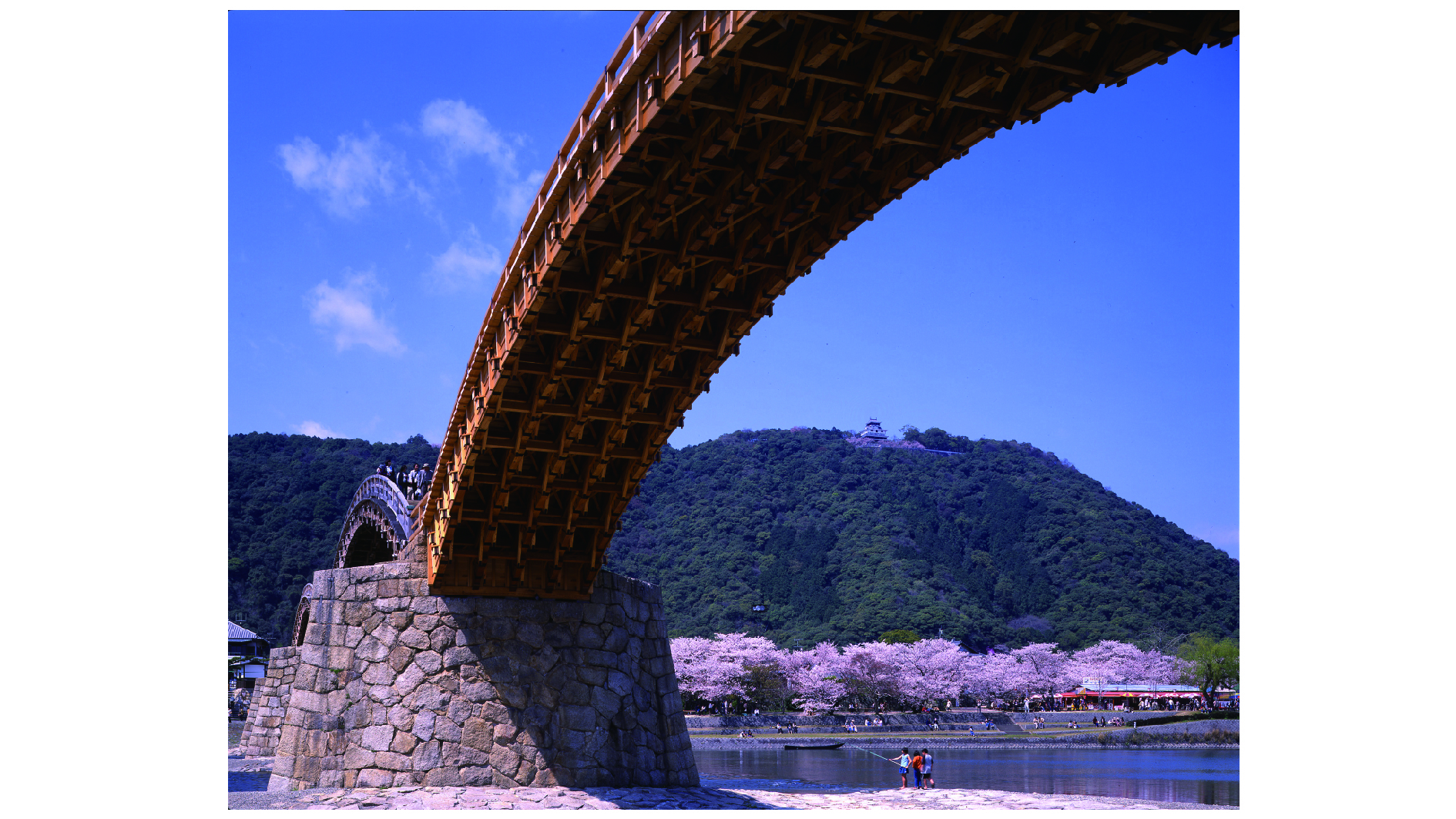
The Sakai Sake Brewery was established in 1871 (Meiji 4) on the middle bank of the Nishiki River, where the river’s soft underground water springs forth in abundance.
The brewery’s flagship brand, Gokyo, is inspired the Kintaikyo Bridge, one of the three most famous bridges in Japan. The bridge is composed of a distinctive series of five arches over the Nishiki River. The brand Gokyo – literally translated as “five bridges” – is not only a tribute to the iconic bridge but also an expression of the brewery’s desire to connect people together with the sake they make.
The name Gokyo first gained national attention in 1947. At a time when hard-water brewing was at its height, Gokyo’s gentle, aromatic and supple sake, brewed using soft water from the Nishikigawa River, won first prize in the Annual Japan Sake Awards.
Ever since, the brewers have combined a keen sense of taste, with tireless effort and technical study to continue producing sake of the highest quality, earning them fans not only in Yamaguchi Prefecture but throughout the country.
Currently under the leadership of Hideki Sakai, the sixth-generation head of the brewery, each employee, from the Toji to the most junior of the brewing staff, embrace the traditional techniques employed by their antecedents, but all the while, there is room for innovation. Introducing new technologies such as air-conditioning equipment and computer-controlled temperature control have allowed for the production of namazake even in the sweltering Japan midsummer. This, alongside the incorporation of new opinions from younger brewers, has allowed the brewery to usher in a new era of innovative sake brewing.
Valuing the five senses
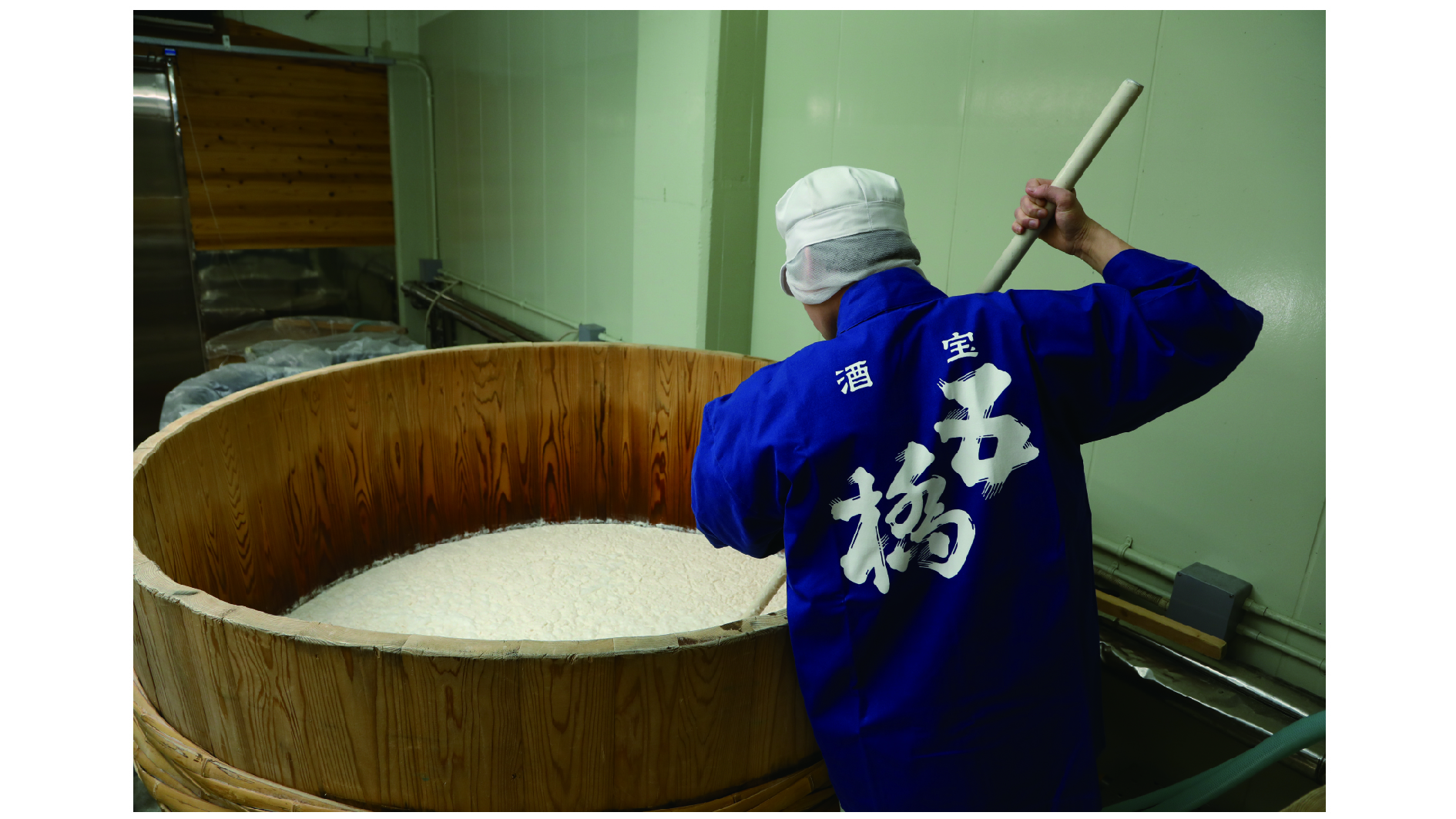
When we asked Morishige Toji what the most important factor was for brewing at the Sakai Sake Brewery, his immediate answer was “valuing the five senses”.
While there are many factors that contribute to the quality of sake brewing at this address, from computerized tank temperature control to meticulous care with regard to temperature and pressure at pressing, Morishige Toji explains that it is key to use all five senses in order to assess the progress of the brewing process.
Morishige Toji works together with Nakama Toji, the Sakai Sake Brewery’s brewing manager, ensuring that there is a flexible balance in carrying on the brewery’s traditional brewing techniques and expressing the character of the people currently working at the brewery. This is the secret behind the brewery’s ability to take on new challenges with an adventurous spirit, enabling them to brew beloved classics such as their Gokyo range all while creating exciting new sake like Lemon Citron, the brewery’s collaboration with Mottox, that explore new possibilities of what sake can be.
The soft water of the Nishikigawa River
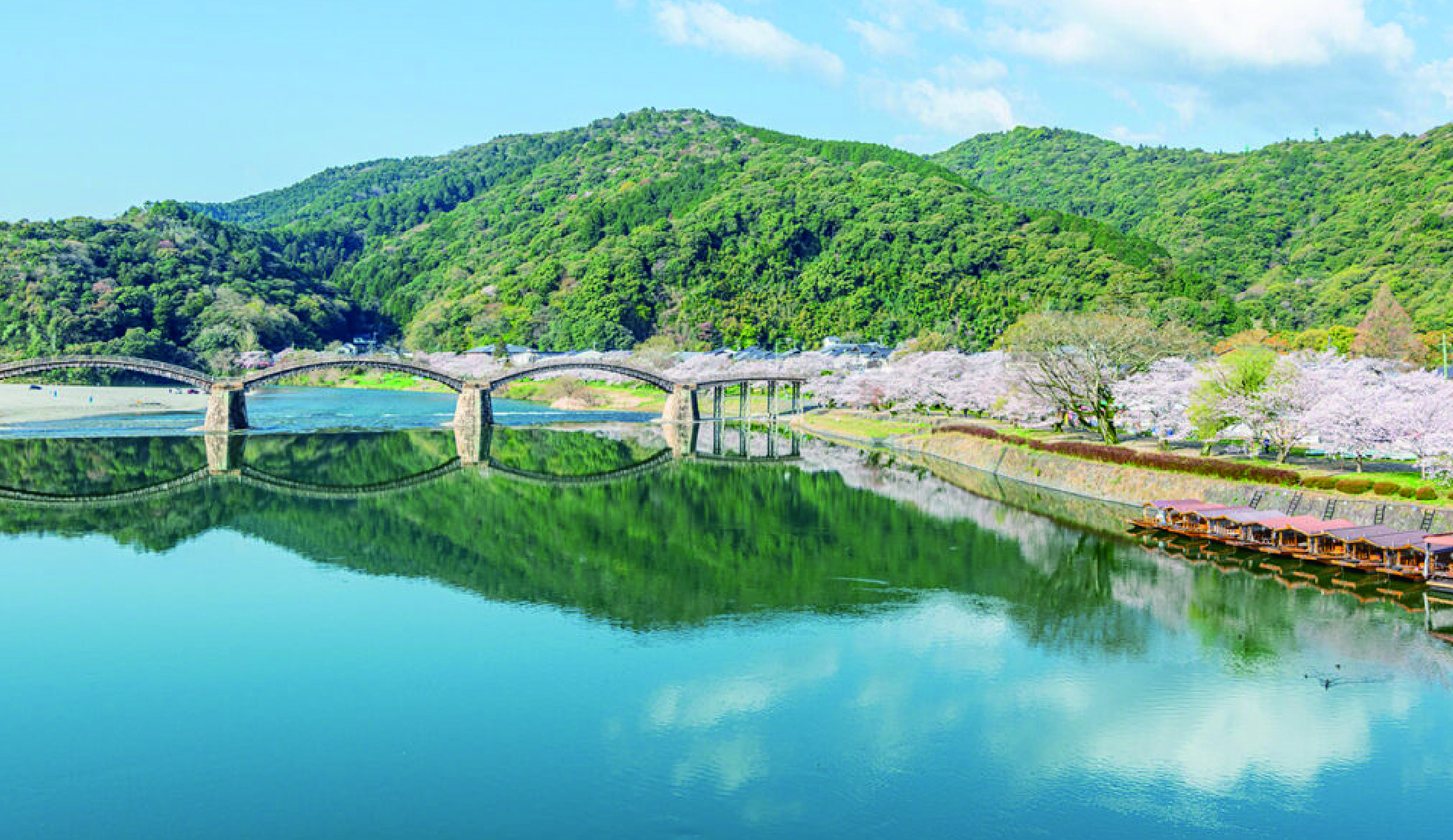
The Nishikigawa River is the largest river in Yamaguchi Prefecture. Its source is located in Shunan-shi, meandering its way to join the Usagawa River in Iwakuni before emptying into the Seto Inland Sea. Its high level of clarity owes to the river’s route, passing through a granite massif which has the effect of filtering the water.
Notable for its ultra-softness, the water will gush out from the ground on any site where a hole is dug in the riverbank upon which the Sakai Sake Brewery is located.
The brewery draws this ultra-soft water from three wells with depths of 10m, 20m and 40m, located on brewery grounds. These are key to the quality of the brewery’s sake .
To make good sake, you must know your rice
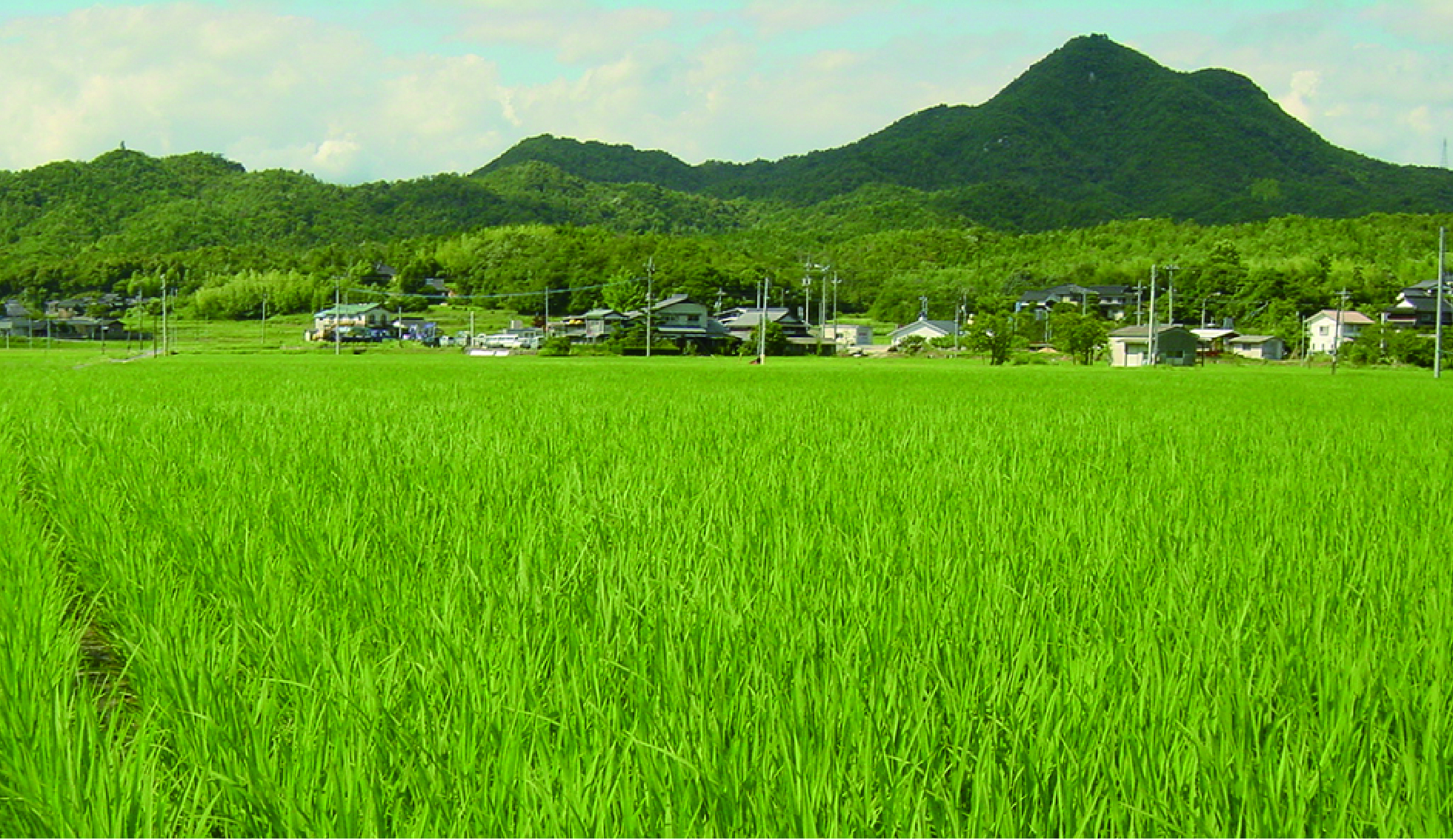
In 1996 (Heisei 8), the brewery began contract sake rice cultivation in the Iriku district of Yanai City, Yamaguchi Prefecture, which has long been famous for its rice production, and in 2015 (Heisei 27), the it established an agricultural corporation, named “Gokyo No-ten”. The corporation grows a range of sake rice, including Yamadanishiki and Miyamanishiki, across 12ha of holdings in the same Iriku district. The company has employees qualified as agricultural inspectors, who also carry out rice grade inspections.
The brewery’s motivation for deepening their involvement in rice farming is the desire to help preserve the rice fields and contribute to the local community.
By participating directly in the cultivation of the rice used for brewing, the brewery attains a greater understanding of its properties, changing year by year depending on the growing season. This depth of knowledge is another contributing factor to the high quality of sake produced by the brewery.
Cultural Heritage
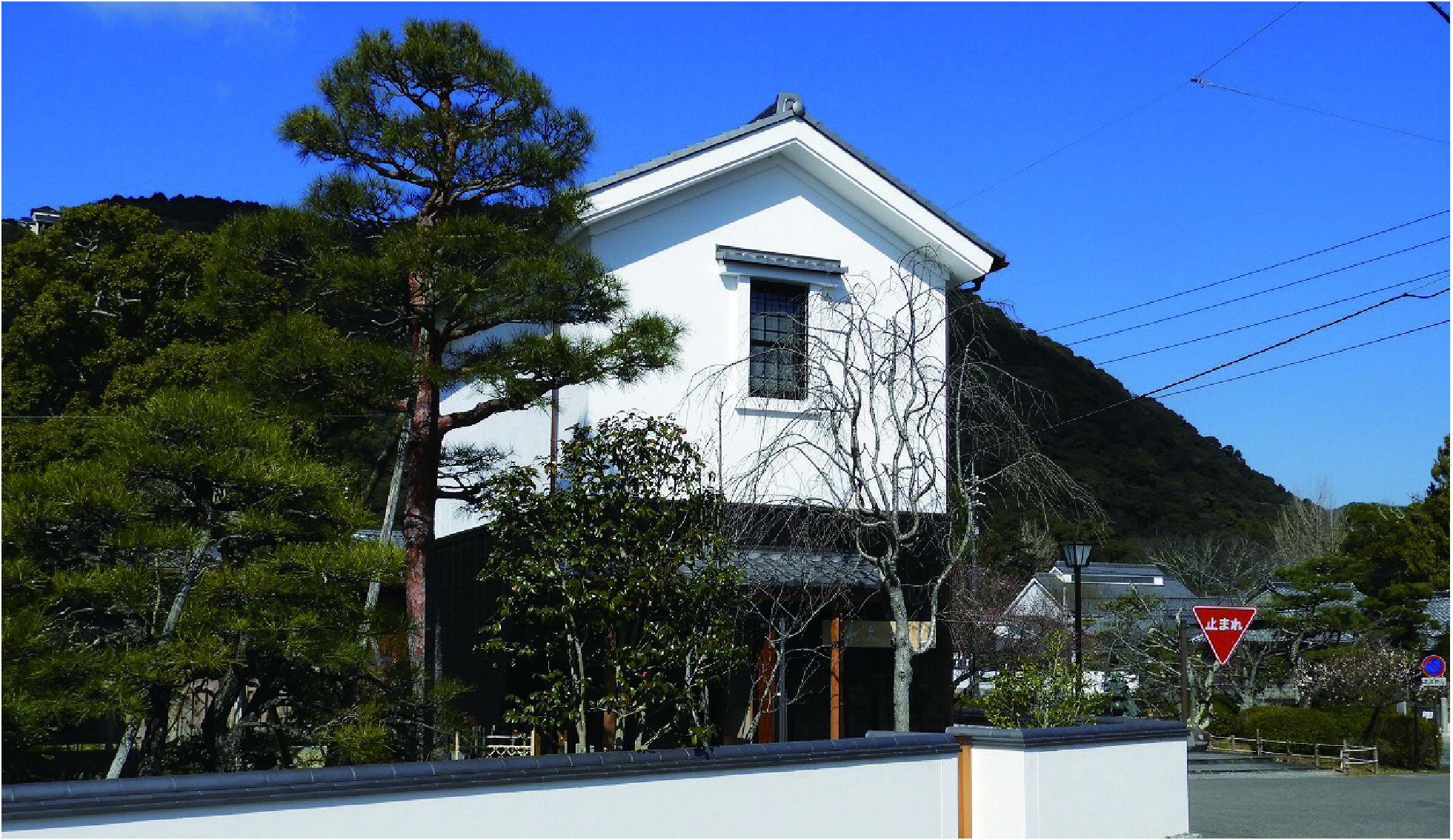
The fifth generation of the Sakai Shuzo family established an art museum with approximately 500 pieces of ceramics, calligraphy, paintings, seal engravings and books. Beginning as a combination of the fifth and third generation’s personal collections, the museum is located near the Kintaikyo Bridge. By visiting the museum, as well as taking in the surrounding area, visitors can enjoy the atmosphere of a castle town from the Edo period.
As a long-established business in the area, the Sakai Sake Brewery has inherited traditions of not just of sake brewing but of the local community. Their sake is a represents not only the brewery themselves, but the community they belong to.
